



The Connection Between Hats and Skin Cancer Prevention

The Important Role of Sun Hats in Skin Protection
Many people understand the importance of sunscreen, but fewer realize that wearing a hat can play a significant role in protecting the skin from harmful ultraviolet radiation. As awareness of skin cancer prevention continues to grow, healthcare professionals, dermatologists, and outdoor safety experts increasingly recommend combining sunscreen with proper sun-protective clothing, including high-quality sun hats.
Whether you enjoy hiking, fishing, gardening, beach vacations, camping, or simply spending time outdoors, understanding how sun hat protection works can help reduce exposure to harmful UV rays and support long-term skin health.
Understanding UVA and UVB Rays
Sunlight contains ultraviolet radiation that reaches the Earth's surface in two primary forms: UVA and UVB rays.
UVA rays penetrate deeply into the skin and are primarily associated with premature aging, wrinkles, and long-term skin damage. Because UVA rays remain relatively constant throughout the day and can penetrate clouds, exposure occurs even when conditions seem mild.
UVB rays affect the outer layers of the skin and are the primary cause of sunburn. UVB radiation is generally strongest during midday hours and can significantly increase skin damage during prolonged outdoor exposure.
Both UVA and UVB radiation contribute to cumulative skin damage over time. This is why comprehensive sun protection is important for people of all ages.
Why the Face and Neck Need Extra Protection
Some of the most commonly sun-exposed areas of the body include:
Face, Forehead, Nose, Ears, Scalp, Cheeks, Neck
These areas often receive direct sunlight throughout the day. While sunscreen helps protect exposed skin, many people miss certain areas during application or fail to reapply sunscreen frequently enough.
A sun hat provides a physical barrier that continuously helps shield these sensitive areas from direct sunlight.
How Sun Hats Help Reduce UV Exposure
Unlike sunscreen, which requires regular reapplication, a hat provides constant protection while being worn.
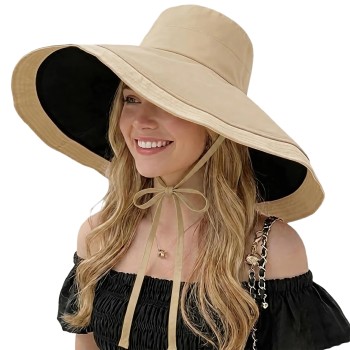
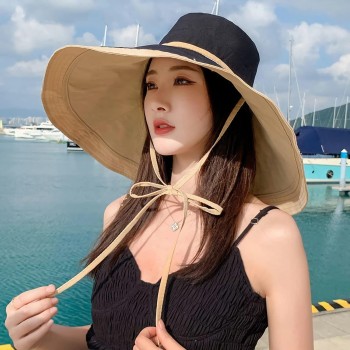
Quality sun hats create shade that can significantly reduce direct UV exposure to the face and upper body. Wide brim hats offer even greater coverage by extending shade beyond the forehead to include the ears, cheeks, and portions of the neck.
For people who spend extended periods outdoors, combining sunscreen with sun hat protection offers a more complete sun safety strategy.
Why Doctors Recommend Wide Brim Hats
Dermatologists frequently recommend wide brim hats as part of a comprehensive sun protection routine.
A baseball cap may shade the forehead and eyes, but it leaves the ears, sides of the face, and neck exposed to sunlight.
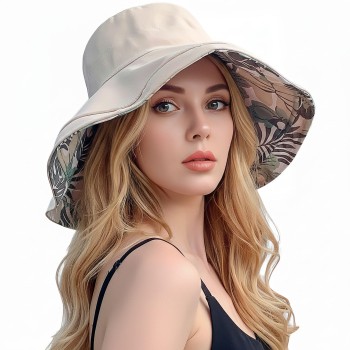
Wide brim hats provide broader coverage and help protect areas commonly affected by sun exposure.
Many experts recommend hats with brims measuring at least 3 inches (7.5 cm) or wider. Larger brims generally provide greater shade and coverage.
This makes wide brim hats particularly useful for:
Beach vacations, Fishing trips, Hiking adventures, Gardening, Golf, Outdoor work, Travel and sightseeing
For individuals who spend long hours outside, a wide brim sun hat can become one of the most important pieces of sun protection equipment.
What Are UPF Hats?
When shopping for sun-protective headwear, you may encounter the term UPF.
UPF stands for Ultraviolet Protection Factor. It measures how effectively a fabric blocks ultraviolet radiation.
For example:
UPF 15 blocks most UV radiation
UPF 30 provides higher protection
UPF 50+ blocks approximately 98% of UV rays
Many modern UPF hats are specifically designed for outdoor activities and combine protective fabrics with breathable construction.
These hats often feature:
Wide brims
Lightweight materials
Ventilation panels
Moisture-wicking sweatbands
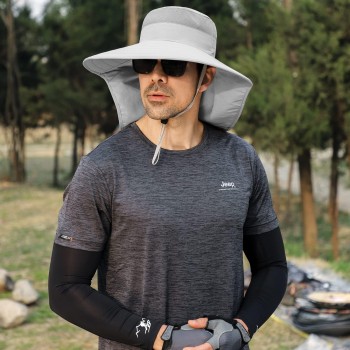
Neck flaps for additional coverage
For outdoor enthusiasts, UPF hats offer both comfort and enhanced protection during prolonged exposure to sunlight.
The Importance of Neck Protection
While many people focus on protecting their face, the neck is often overlooked.
The back of the neck receives significant sun exposure during activities such as hiking, fishing, boating, farming, and gardening.
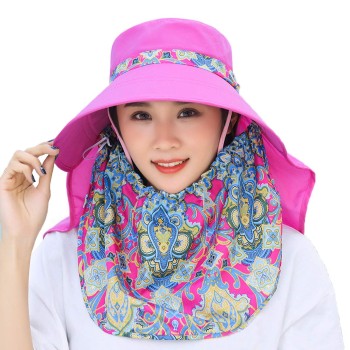
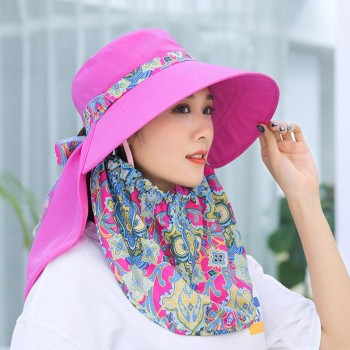
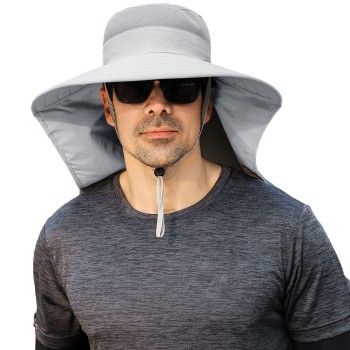
Neck flap hats provide additional protection by extending coverage beyond the brim and shielding the neck from direct sunlight.
This design has become increasingly popular among outdoor workers and recreational users who spend extended periods in the sun.
Who Benefits Most from Sun Hats?
Although everyone can benefit from sun protection, certain groups may experience particularly high levels of UV exposure.
These include:
Hikers, Anglers, Gardeners, Campers, Farmers, Golfers, Beachgoers, Outdoor workers, Travelers
Individuals with fair or sensitive skin
For these groups, incorporating UPF hats into daily outdoor activities can provide valuable additional protection.
Building a Complete Sun Protection Strategy
No single method provides complete protection from UV radiation.
The most effective approach combines multiple protective measures, including:
Applying broad-spectrum sunscreen
Wearing UV-protective clothing
Using quality UPF hats
Seeking shade when possible
Wearing sunglasses with UV protection
Limiting prolonged sun exposure during peak hours
Together, these habits help create a more comprehensive strategy for reducing UV exposure and supporting long-term skin health.
Protect Your Skin with the Right Hat
A quality sun hat does far more than complete an outfit. It serves as a practical tool for reducing sun exposure, improving outdoor comfort, and supporting skin cancer prevention efforts.
From wide brim beach hats and hiking hats to fishing hats and neck flap hats, today's sun-protective headwear offers a combination of style, comfort, and functionality.
At HUAMULAN Hats, we design sun hats, UPF hats, beach hats, fishing hats, hiking hats, and outdoor headwear to help people enjoy the outdoors while staying comfortable and protected. Whether you're planning a beach vacation, exploring a hiking trail, or spending time in your garden, the right hat can be an important part of your sun protection routine.
Related Products

Leave a comment